Do not send a project image merely because the team possesses the file. Release it only when the creator, identifiable people, embedded works, property conditions and proposed press uses are cleared. Fragmented evidence can lead to complaints, takedowns or reuse beyond the permission granted.
What must a UAE project team clear before sending photography to the press?
Clear five controls against the exact image, outlet and intended use before release:
- Copyright: controller is the creator or licensor; evidence is an assignment or licence; scope includes files, users and duration; hold if ownership or authority conflicts.
- People: controller is the subject or authorised guardian; evidence is a release; scope includes purpose, channels and duration; hold for refusal or uncertainty.
- Embedded works: controller is the relevant rights holder; evidence is permission or applicable licence terms; hold when a prominent work lacks clearance.
- Property: controller is the owner, occupant, developer or venue; evidence is a location approval; hold when publication or sensitive details are restricted.
- Publication and reuse: controllers are the client, licensor and outlet; evidence is written delivery terms; hold if editing, social reuse or syndication remains unconfirmed.
A green, amber or red status should be assigned to every press image
Green covers the exact image and proposed use. Amber marks unclear wording, identity, signatures or reuse. Red marks refusal, expiry, incompatible rights or absent authority. Give every amber or red file an owner and review date. Rights clearance remains separate from embargoes, and uncertain UAE legal issues require qualified counsel.
The photographer’s copyright and the client’s press-use licence must be verified separately
Establish who created each photograph, whether ownership was transferred or licensed, and whether the written terms cover the intended press publication. Payment, high-resolution delivery and file possession do not prove unrestricted rights.
The photographer’s copyright and the client’s press-use licence must be verified separately shown as an editorial planning reference.
Does the photography agreement cover the press outlet’s actual channels and reuse?
- Users: confirm that the client, designer, consultant, developer and outlet are named or belong to a defined authorised group.
- Channels: check print, websites, apps, newsletters, press databases, social accounts, awards entries and archives.
- Scope: record territory, term, exclusivity, editorial or advertising purpose, sublicensing, syndication and paid promotion.
- Edits and credit: specify permitted crops, thumbnails, colour correction, retouching, captions and platform derivatives. Record the required credit.
Can the project team prove the chain of title for every delivered image?
Match each filename to the signed commission, assignment or licence, amendments and agreed credit. Staff images require relevant employment records. Freelance, agency and subcontracted images require the underlying creator agreements and evidence of the supplier’s authority.
The UAE Ministry of Economy and Tourism provides an Intellectual Works Rights Registration service, but its existence does not prove ownership or define a press licence.
Hold agency-supplied and legacy files when the underlying authority cannot be produced. Once copyright is verified, conduct a separate review of every identifiable person.
Identifiable people require a separate UAE privacy and consent review
A copyright licence does not automatically clear people shown in a UAE project image. Review image capture, file processing or sharing, and publication as distinct decisions. Someone who accepted photography at an event may not have agreed to social promotion, overseas storage or syndication.
Check models, employees, clients, residents, guests, bystanders and people visible through windows, mirrors or reflections. Raise the hold threshold for children, homes, bedrooms, badges, vehicle plates, screens, medical details and security routines.
A model release must match the subject, purpose, channels and duration
A useful release identifies the subject, project and shoot date, then states the purpose, channels, territory, duration, permitted edits and sublicensing. Translations should preserve the same scope and document how the subject understood it.
The Photography Ethics Centre’s informed-consent guidance, which is ethical guidance rather than UAE law, says permission should be informed and freely given. Clear communication should reduce pressure and allow a person to refuse without adverse consequences.
Incidental people, employees and children require different risk decisions
Employees need a separate check because workplace notices may not cover external press publication. Bystanders require assessment of identifiability, context and privacy expectations. For children, verify the authority of the parent or legal guardian and retain the permission record.
Where evidence fails, choose another frame, crop or blur identifying details, or withhold the image. UAE counsel should assess uncertain privacy, personal-data, cybercrime or media issues.
Artwork, branding and designed objects can create rights inside an otherwise cleared photograph
A cleared photograph may still reproduce material controlled by another party. Identify prominent artwork, murals, sculptures, graphics, product designs, screen content, logos and branded installations before press distribution.
The Abu Dhabi Intellectual Property Unit copyright guide identifies photographs, paintings, sculptures, architectural designs, software and audiovisual material as copyright categories. Ownership of a physical object does not by itself answer who controls the protected expression shown in a photograph.
Prominence and press context determine which embedded elements need escalation
- Incidental background: record the element and check contractual restrictions.
- Recognisable supporting feature: verify commissioning, licence or supplier terms.
- Dominant subject: obtain permission or escalate to the rights holder or a UAE intellectual-property adviser.
Independent editorial coverage, project publicity and paid distribution can produce different clearance decisions. If evidence remains incomplete, use another frame, crop, blur, replace screen content or hold the image.

Artwork, branding and designed objects can create rights inside an otherwise cleared photograph shown with practical context cues.
Property access does not necessarily authorise commercial or press photography
Permission to enter, occupy or design a UAE property does not establish permission to photograph it for external press. Verify the conditions imposed by the owner, tenant, developer, community, hotel, mall or venue.
Private-home images need an owner, occupant and sensitive-detail check
Confirm that the location-release signatory has authority, then obtain occupant approval where privacy is affected. Inspect family photographs, mail, documents, collections, room layouts, safes, surveillance equipment, unit numbers and occupancy patterns. Written approval should cover captions identifying a resident or precise location. The Tylers guide to privacy gradients within residential interiors provides useful context for image selection.
Property access does not necessarily authorise commercial or press photography shown as an editorial planning reference.
Venue and developer conditions must cover external press publication
An access email or contractor pass proves access only. The location record should name the approving authority and cover editorial publication, outlets, captions, logos, common areas and social reuse. Record permit expiry and any additional conditions for crews, lighting, drones, neighbouring units or security-sensitive details.
A file-level rights manifest should control the final press handoff
The final control should be a rights manifest tied to the exact files supplied. Each record should identify provenance, creator, people, embedded works, property approval, licence limits, credit and unresolved restrictions.
The press delivery note must state what the outlet may and may not do
- Record the filename, copyright owner, licence and release references, location approval, restrictions, expiry and reviewer.
- Match approved filenames to the delivery folder. Retain required copyright and credit metadata, while removing sensitive location or personal data where permitted.
- Send files securely to named recipients and monitor credits, corrections, reuse, complaints, takedown requests and expiry.
The delivery note should specify outlets, channels, territory, term, captions and credits. Paid promotion, resale, syndication, third-party licensing and material edits require permission unless expressly allowed. Rights clearance should also precede the separate task of deciding how to evaluate a Dubai design press feature.
Rights clearance and embargo terms should remain separate records
Asset permission determines whether an image may be used. Disclosure terms determine when and how a story may appear. Cross-reference both records, but set embargo, exclusive and off-the-record terms separately.
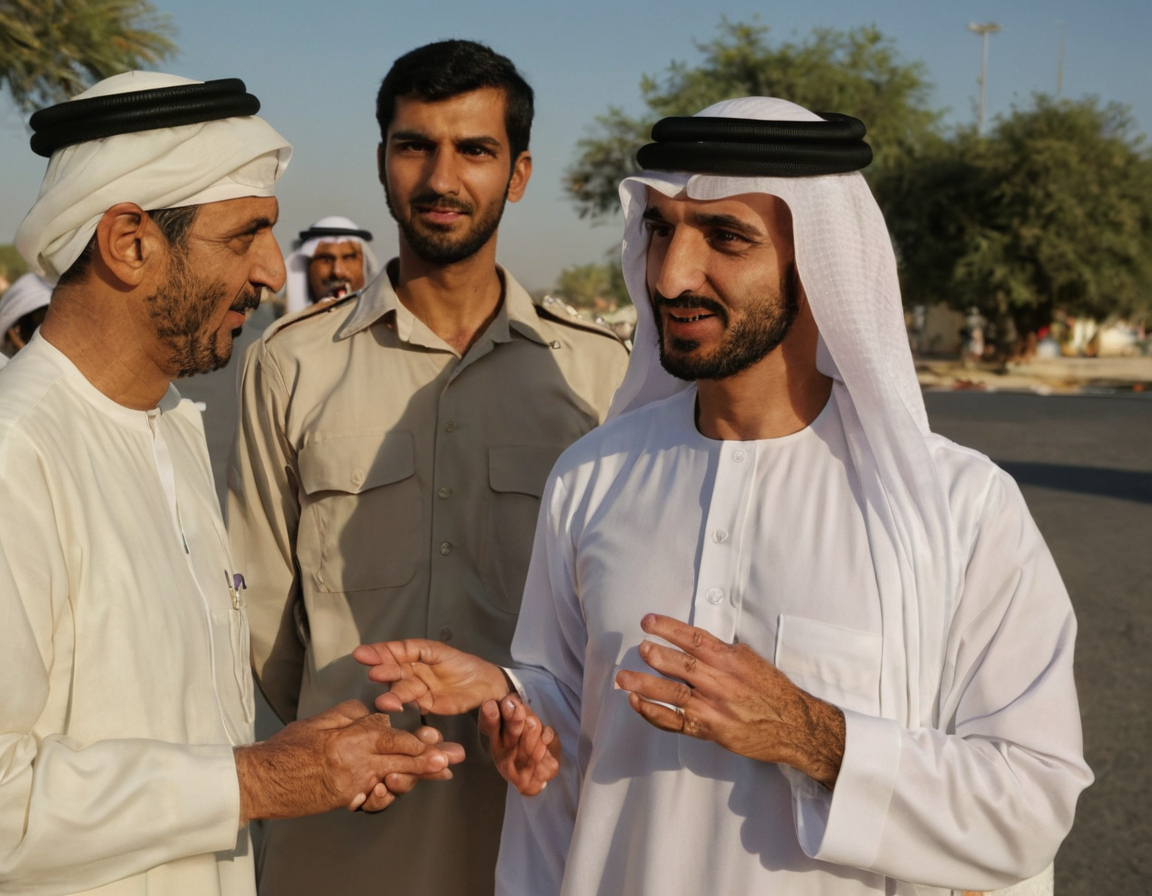
A file-level rights manifest should control the final press handoff shown with practical context cues.
Unclear rights require withholding the image or obtaining UAE legal advice
Apply no-send status to a missing source agreement, unidentified person, restricted artwork, private detail, incompatible venue rule or proposed reuse outside the licence. Escalate disputed ownership, children, homes, security details and threatened complaints to UAE counsel. Send a cleared fallback rather than an uncertain hero image.
Send or hold: quick FAQ
Can a photographer publish project photographs without the client’s consent?
Hold unless the governing agreement and applicable rights permit that publication.
Is consent required for an identifiable person?
Hold and review. Capture, sharing and publication can raise separate UAE privacy and consent questions.
Does a model release cover press social media and syndication?
Only if its channels, purpose, duration and sublicensing language cover those uses.
Does permission to photograph inside a property permit press publication?
No. Confirm that the authorised property terms expressly cover external editorial publication and the proposed reuse.